
Node.js: Powering the Future of Enterprise Applications

Discover why Node.js is the strategic choice for IBM i application futurization, offering businesses a path to modern, scalable solutions while preserving critical business logic.
Profound Transformation

The Most Accurate, Efficient, and Least Invasive Approach to IBM i Transformation In the ever-evolving landscape of technology, businesses are constantly seeking ways to adapt and innovate. For those relying on IBM i systems, transformation is paramount! The challenge lies in finding an approach that is not only accurate and efficient but also minimally invasive. […]
Custom Node.js Module with Profound API

Profound.js and Profound API offer powerful low-code environments for building applications, but what if you need to go beyond the provided features? In this blog, we’ll explore the creation of a custom Node.js module within the Profound ecosystem, allowing you to extend functionality and enhance reusability. Building Beyond Low Code While Profound.js and Profound API […]
Build and Consume APIs Simply by Using the Right Language

Since the beginning, RPG has been the language of choice on IBM’s midrange computing systems (IBM i, AS/400, etc.). Developers have learned to do everything within the comfort of the RPG language. However, as technology has advanced, IBM i developers have struggled keeping up with new technologies within a language that was not built for […]
Understanding Node.js Application Performance

Node.js is a cross-platform, open-source online application development framework built on the V8 JavaScript engine found in Google Chrome.
Benefits of Frameworks
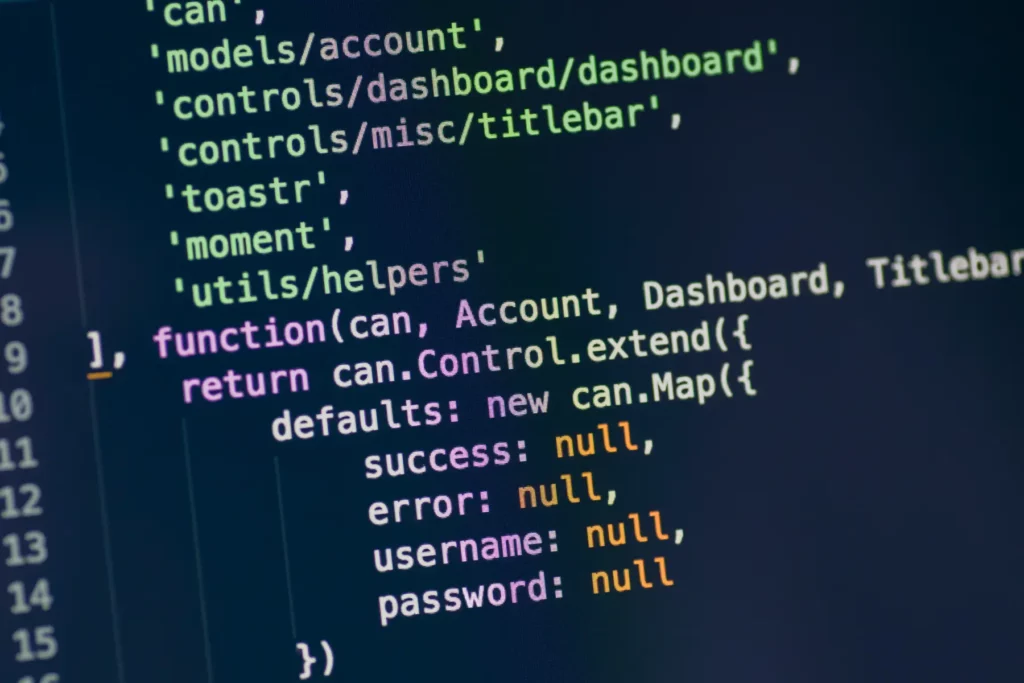
Frameworks provide a foundation for the development of business logic in an organized way. Profound UI is driven by a server-side language, such as Node.js.
Node.js Advantages for Application Development

Here are several of the top Node.js advantages and development details that prove its superiority over the competitors.
Coding in 2021 and Beyond: Is Node.js Dead?

Node.js is just as relevant to coding in 2021 and beyond, even if the hype around it has stabilized slightly.